Monday, November 27, 2006

9/30/06: Aburiya Kinnosuke

I was hoping to attend a Food/Saké seminar featuring David Bouley at Japan Society couple of days after the Joy of Saké event, but by the time I tried to register, it was all sold out. Still riding the tidal wave of momental from the Saké Week, I needed a fitting ending. Luckily, Lefty was in the same plight.

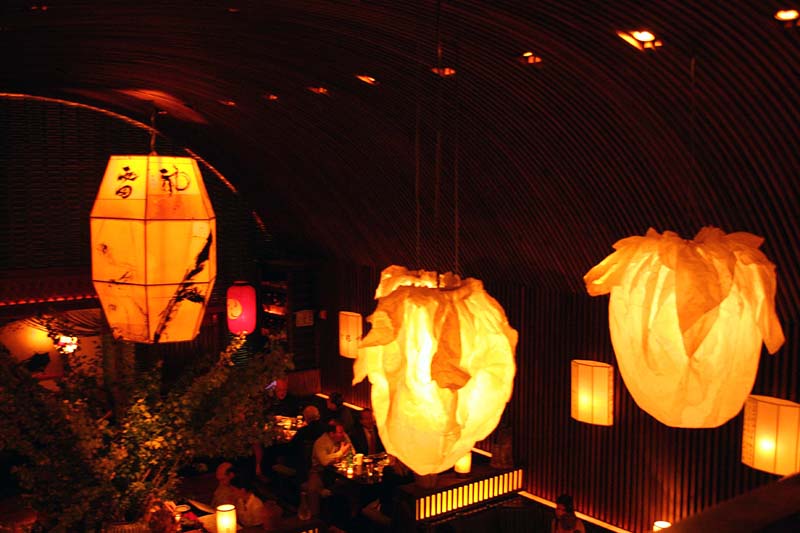
We met up around 8:00 pm in the Midtown East. After some brainstorming, we deciede to visit my friend Nell's place, Aburiya Kinnosuke on 45th St. It was bit crowded, so it took about 15 minutes for us to be seated, and unfortunately, Nell works only on weeknights so we missed her. We did get a great seat, though, sitting at the counter to get a great view of the robata cooking by the fire pit.

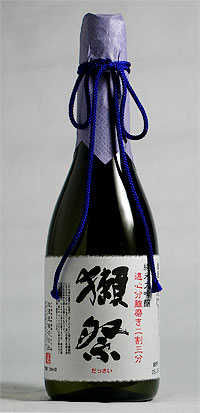
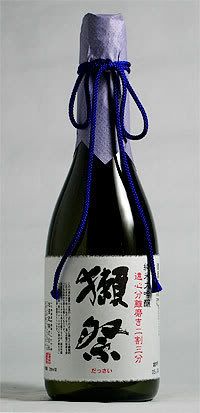
Since I had a late lunch, we decided to order light dishes and try couple of sakés. I started with the carafe of the usual~ Dassai 50~ before trying something new.

The dishes were fantastic. First, we ordered Home-made Tofu in a Bamboo Basket ($6.50), which came with special sea salt on a side. I love home-made tofu, and this had a very good balance of firmness and gentleness.

After the tofu, we tried Organic Berkshire Pork Simmered with Brown Sugar Soju ($8.50), a variation of the Japanese "Buta No Kaku-Ni" that was godsend. The perfect balance of sweetness from the Soju and saltiness from Soy complemented by flavors of ginger was perfect accompaniment for the second saké that I cannot remember!

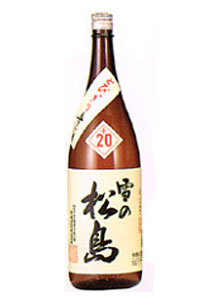
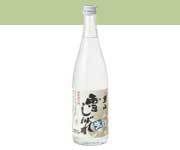
However, the third saké was highly memorable, as it was advertised as the driest saké on the market. They are not kidding, as Yuki No Matsushima Honjozo (SMV: +20, Acidity: 1.6, Rice: Toyonishiki, Seimaibuai: 65%, Yeast: Assoc #7) from Miyagi had SMV that was 5 more than the generally accepted upper range of +15, kind of like how Nigel Tufnel's amp goes up to 11.

So what was it like? This full-bodied saké had a flavor that was very saké-like, with flavors of cream and grain. But what was exraordinary was the very firm and tight finish that seem to resurrect the flavors of Berkshire Pork from the pores of my tongue, in a way that alcohol-based solvent seems to pull the paint off a surface (and I mean that in a nicest way possible.) For those who seek extreme, give this one a try!

Although the night was very mellow by my ususal standards, I had a double bonus of discovering a great place to enjoy saké, and a new saké that was unlike any other I've tasted before.

Tuesday, November 21, 2006

9/28/06: The Joy of Saké Event

If there is one event to attend each year, make it this one as it is the biggest saké event of the year. The selection included over 300 sakés (officially 299 + few others off the list) from 146 breweries that were entered into the 2006 U.S. National Saké Appraisal, and they are divided into two rooms, one for those available in the U.S, and other for those available only in Japan. With in each room, the tables were further divided into Daiginjo A (less than Seimaibuai of 40%), Daiginjo B (Seimaibuai between 40~50%), Ginjo, Junmai, and Yamahai which included Kimoto. Each saké was served off of the official tasting cup, and attendees used eye-dropper to pour saké into their glass.

The event started at 6:00pm, and lasted until 9:00pm, giving us slightly over 3 hours to taste as many sakés as possible.

With such impressive array of selections and such short time, it was time to strategize. I opted to start with "Sakés N/A in USA," figuring that I needed to try many of the best small producers. I started in Daiginjo in the sequence as listed in the book, but after a while, decided that I'll try to look for familiar names or labels that are striking in appearance, a criteria as good as any.

Somewhere along the way, I felt rushed for time~ 3 hours is a short time, when there are 300+ Sakés!~ so I decided to pick up the pace. Little did I know, the first bottle I decided to skip was the one with a cute little picture of earth on the label, hardly a traditional looking saké bottle. It turned out to be Matsuokina "Tosa Uchushu" Junmai Daiginjo, the Space Saké that I knew nothing about until I came across this style while conducting a research few days after the event. What's the significance of this non-traditional saké? You can read about it here, and feel free to join me in feeling my pain.

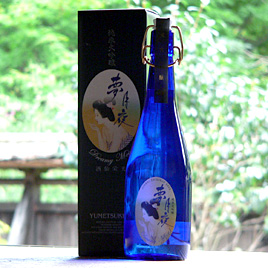
There were two real standouts in "Sakés N/A in USA." The first was "Kamekichi" Junmai Daiginjo (Data N/A) by Nakamura Kamekichi Shuzo (Japanese- only website) from Aomori Prefecture, with its tropical fruit flavors and good depth. The second was Shusen Eikō "Yume Tsukiyo" Junmai Daiginjo (SMV: +4, Acidity: 1.3, Rice: Matsuyamamii, Seimaibuai: 50%, Yeast: N/A) by by Eikō Shuzo (Japanese- only website) of Ehime Prefecture, with flavors of ripe Japanese nashi pears with clean and dry finish. Both those selections received Silver Medal from the Appraisal.

There was one saké that I thought was a bad bottle. In the "Yamahai(Kimoto)" area, "Hakkin" by Masuichi Ichimura Shuzojo had flavors of pear, wood, musk, and cork with no discernable structure or balance. It's as if the bottle somehow went through saké's version of being "corked." That was disappointing.

Not surprisingly, I bumped into many of my friends throughout the event, including but not limited to: Sakurai-san from Asahi Shuzo; Imada-san from Fukucho Brewery; Asami and Keiko-san of World Saké Imports; Henry Sidel and Yuno-san from Joto Saké; Kadoi-san from Sakagura; Michael John Simkin, Saké Consultant; Toshi and Tomoko of Saké Hana; Chris Johnson of Bao 111; Paul Tanguay from Sushi Samba and the winner of the 2006 Kikisakeshi Contest, NY Region; Robert Cash of Union Square Wines; Nell Rier from Aburiya Kinnosuke; and Saké Buddies Chie-san, Tim Sullivan of Urbansaké.com and Lefty (looking quite happy in the picture).

The available in the US sakés were next on the list, and there were full of the names I recognized immediately. In this area, I focused on the sakés that I've never tasted before. I sought out brewers such as Born, Okunomatsu (recommended by Paul Tanguay) and Yaegaki, as sakés that I've always wanted to try like Masumi Sanka and Taiten Shiragiku "Daiginjo."

Since I drank copious amount of Japan-only sakés, and spent time socializing, my consumption of Available in US sakés were limited to Daiginjo-grade only, meaning my personal awards, applied only to Daiginjos available here:

Gold Medal: Okunomatsu Junmai Daiginjo (SMV: +1, Acidity: 1.4, Rice: Local Rice, Seimaibuai: 40%, Yeast: Okunomatsu) from Fukushima. In a setting like this, powerful sakés tend to make expression, and Okunomatsu certainly did that. Very fruity with lush flavors of melon and strawberries, yet soft and round in every respect. Power meets elegance.

Silver Medal: Taiten Shiragiku Daiginjo (SMV: +6, Acidity: 1.1, Rice: Yamadanishiki, Seimaibuai: 32%, Yeast: N/A) by Nariwa Ozeki Brewery from Okayama. This is a shizuku (free-run) style, showcasing very rich yet gentle mouthfeel and expressive flavors of melon and strawberries complemented by a balanced dry finish. While lot of Shizuku style is very mild, this one had a very nice expression.

Bronze Medal: Suehiro (Japanese- only website) "Gensai" Daiginjo (SMV: +4, Acidity: 1.3, Rice: Yamadanishiki, Seimaibuai: 35%, Yeast: from Fukushima. This turned out to be a very expressive on both the nose and palate, and no wonder, it's a Genshu. For a Genshu, though, the texture was richer and soft, showing tremendous balance.

Looking at the top 3, it's evident that I like saké from Fukushima, and in a mass tasting, expressive and impressionable sakés fare well.

After The Joy of Saké event, we retreated to Puck Fair across the street for a drink, where I met John Gauntner (pic, left) who authors couple of very informative websites like this and this, and Philip Harper, a Brewmaster at Daimon/Sakahan Brewery, producer of Mukune and Tozai line of sakés, and Elise Gee, organizer of Vancouver chapter of Saké Meetup Group. After a round, we were off to Chris Johnson's Bao 111.

The exact details of the meal and sakés were fuzzy. I do remember sitting at the table with Lefty, Elise, John Gauntner, Michael, and Nell (pics on right) and we got plates and plates of delicious Vietnamese cuisine, well seasoned and perfectly welcome after long night of drinking. After couple of hours of feasting and drinking, it was time for me to turn to pumpkin, as I had to get to work in about 7 hours. The best part? As I leave and settle the tab, all the saké and food comes to total of $36 ($30 + tip). Man, what a night!!!

Thursday, November 16, 2006

9/26/06: Dassai Tasting at Saké Hana

We were in for a big night, as Saké Hana ran an exclusive tasting featuring all Dassai sakés, including several "available only in Japan" types.

First, a little backround information about Asahi Shuzo, a small brewery located deep in the mountains of Yamaguchi Prefecture:

Based in southern most island of Kyushu, Asahi Shuzo is a small yet vibrant kura whose motto, loosely translated, is "to produce enjoyable sipping sakés, not for sake of profit or getting drunk."

The end result is series of sakés that spare no expenses. Among the notable facts include:
* The minimum seimaibuai is 50%; technically, all Daiginjo-grade sakés;
* Their Junmai Daiginjo is polished down to miniscule 23%, the most refined available in the U.S.;
* Incidentally, the process of polishing rice down to 23% takes 3 days and adds several hundred thousand dollars to the overhead (no compromise!);
* As a result, 50% polished saké is referred to merely as "Junmai Ginjo" here;
* All the sakés are produced using the famed Yamadanishiki rice, the king of "sakamai" (saké rice); and finally,
* All the sakés are produced in the "Junmai" style of using just rice, water, and yeast.

With such hefty credentials, I was very excited to try their standards (tasting notes of "23" and "50" are here, while I reviewed Nigori in August) as well as their rare selections.

The first of rare style was the Dassai "50" Nama Genshu (SMV: +5, Acidity: 1.1, Rice: Yamadanishiki, Seimaibuai: 50%, Yeast: N/A), the unpasteurized and undiluted style. Although the nose was mildly fruity, similar like the regular "50," the difference was evident on the palate, where depth of the flavor was noticeable, as well as crisp vibrancy.

The next on the list was the Dassai "Migaki Sanwari Kyuubu" Junmai Daiginjo, a.k.a., Dassai "39" (SMV: N/A, Acidity, N/A, Rice: Yamadanishiki, Seimaibuai: 39%, Yeast: N/A). Of all the sakés that Dassai carries, this one had the profile most like a Junmai Daiginjo, with a subtle nose, soft approach, fruitiness, and harmonizing sweet/bitter balance.

Then Sakurai-san threw us the variation of their flagship, the "Enshinbunri Migaki Niwari Sanbu," a.k.a. Dassai "23 Centrifuge" (SMV: +4, Acidity: 1.1, Rice: Yamadanishiki, Seimaibuai: 23%, Yeast: "Dassai"). As the name may indicate, this went through a pressing method where a mash is put through a spin cycle, and the saké is extracted by the use of centrifugal force. The resulting saké was rich, smooth, and round in texture, and generally mellow in flavor. If I didn't know any better, I would have guessed this to be made in a Shizuku style. Incidentally, they do make "Centrifuge" style for Sanwari Kyuubu "39" and "50" as well.

The last of the speciality selections was the Dassai "Warm 50" (SMV: +5, Acidity, 1.5, Rice: Yamadanishiki, Seimaibuai: 50%, Yeast: N/A), a saké created specifically for serving warm. In this process, the yeast starter was allowed to ferment for about one full year to really intensify the flavor and give saké backbone so that when it's heated, it won't lose its structure and flavor profile.

Just for the heck of it, I wanted to try it chilled first, so I can compare with the other Dassais. The differences were pronounced. While the richer and deeper flavor is noticeable, the biggest difference emerges towards the finish, where there is a mineral-like bitterness that serve to maintain the strucuture in the warm form. The intensity of the flavor was very much like a Kimoto or Yamahai.

When served warmed, the saké had a very distinctive structure. The flavor was intense at the approach and finish, but very mild in the middle. There were hints of nuts and steamed rice, which is very rare for Dassai.

All in all, another resounding success at Saké Hana!

Wednesday, November 15, 2006

9/25/06: 2nd World Kikisakeshi Contest, NY Regionals

On September 25th, I competed in the 2nd World Kikisake-shi (saké sommelier) Competition sponsored by Saké Service Institute. Shortly after applying, each applicant was e-mailed open book written test. Of all the entrants, 17 applicants including 5 no-shows were selected to participate in the second phase of the Contest, a closed book written test. The test was very technical and comprehensive, and would require knowledge of a brew master to receive a perfect score. After scoring, six contestants were selected to proceed to the finals. To my surprise and relief, I was one of the six finalists, competing with the rights to represent New York/East Coast Region in Japan.

Four of the finalists were sommeliers or beverage managers from some of the very best Japanese or fusion restaurants in the City. Megu Midtown, Sakagura, Sushi Hana, and Sushi Samba were all represented in the finals. Another finalist is a daughter of Tenranzan brewery. Needless to say, the competition was fierce.

The finals began with tasting test, followed by service performance presentation in front of a three-person panel. Although I was confident in the tasting and technical knowledge of the sakés, I must admit I had very little idea regarding service performance.

Approximately four hours after the testing began, the winners were announced. The announcement was preceded by proclamation that the scoring was very competitive, and that level of knowledge was far greater than they had expected. The third place went to Ms. Chizuko Niikawa from Sakagura Restaurant. The second place was awarded to Mr. Masatoshi Omichi of Megu Midtown. By a very small margin, Mr. Paul Tanguay of Sushi Samba bested the field, crowned as the champion of New York/East Coast Region.

While it is extremely disappointing to come up short at the final stage, all the finalists were worthy contestants. I am confident that Mr. Tanguay, as a Beverage Director/Saké Sommelier of Sushi Samba as well as four-time judge of the US National Saké Appraisal, will make New York proud. In the end, having witnessed first hand the quality of efforts put forth by these individuals and their establishments, I realized that ultimately, the New Yorkers are the biggest winners of all.

9/7/06: Premium Saké Tasting at EN

September is a very busy month in the world of saké, climaxing with the Joy of Saké event held on 9/28/06.

The first of series of events to come was held at EN Japanese Brasserie, featuring portfolio of over 60 selections from Banzai Beverage Corporation, covering sakés, shochu, and wines that are not yet available in the States. The event was open to trade and press.

Gold Medal: Hiroki Tokubetsu Junmai (SMV: +2, Acidity: 1.5, Rices: Yamadanishiki & Gohyakumangoku, Seimaibuai: 50% & 55% respectively, Yeast: N/A) from Fukushima Prefecture. "Tokubetsu" means “special” in Japanese, and this designation is used to indicate a unique production method in this case. Hiroki is a blend of two different rice polished to a different degree, Yamadanishiki at super premium daiginjo-grade 50% and Gohakumangoku at premium ginjo-grade 55%. This blended Scotch-like approach resulted in a saké with tremendous balanced, rich body, and expressive flavors of tropical fruits, melon, and strawberries. Based on the taste, you would never know that this is from a new kura (established 1999), and the brew master never formally studied the craft! Should this mildly dry saké become available in the US, it is very well worth trying.

Silver Medal: Juyondai Junmai Daiginjo "Banshu Aiyama" (SMV: +2, Acidity: 1.3, Rice: Aiyama, Seimaibuai: 40%, Yeast: Yamagata) by Takagi Brewery from Yamagata Prefecture. Interestingly, Juyondai is very popular in Japan, and some up- and- coming sakés are referred to as the "Next Juyondai," including Hiroki. Based on my ranking, it appears that the student has become the teacher! The teacher is still a superior brew, with highly aromatic and expressive flavors of cantaloupe and lychee that gives way to a harmonious sweet/bitter finish.

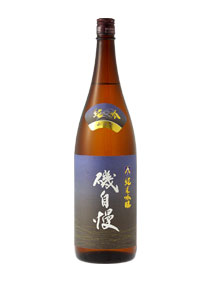
Bronze Medal: Isojiman Junmai Ginjo (SMV: +5, Acidity: 1.3, Rice: Yamadanishiki, Seimaibuai: 50%, Yeast: N/A) from Shizuoka Prefecture. A very good saké, one of the first ones I tasted as it was at Table #1. It may have placed higher, if the saké was slightly more chilled. This smooth and medium- bodied saké featured flavors of melon and pineapple, and had a mildly spicy finish possibly due to the serving temperature.

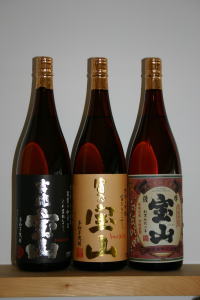
Eye-opener of the Night: Here, I'll deviate from my usual practice and nominate a non-saké for this award, but there is a good reason. I gave the award to triplet of Hozan line of Imo Shochu: Kichho Hozan, Tomi No Hozan, and Satsuma Hozan. The difference between the three was in the yeast! By trying these three, I learned how a black yeast (lean, focused, deep), yellow yeast used for saké (fruitier and mellower), and standard yeast (gamy, funky) affect the flavors of Imo Shochu. This inevitably made me pay more attention to the yeast used for sakés.

Tuesday, November 14, 2006

Review of 2006: July/August

Summer months were relatively tame in terms of activities. In July and August, there were only two notable events, but with the right saké, situation, and people, the events are sure to be a winner.

July 27, 2006

My favorite izakaya, Sakagura, hosted yet another saké dinner, this time under the theme of Sakés for Summer as selected by their kimono-clad Saké Sommelier, Chizuko Niikawa.

The first selection was a German Riesling-like low alcohol saké, Ichinokura Himezen (SMV: -65, Acidity: 5, Rice: Toyonishiki, Seimaibuai: 65%, Yeast: N/A). I often refer to this as umeshu-light, as it has the tinge of Japanese plum flavor and balanced sweet/tart profile. Chizuko-san said that this would be the perfect saké to quench your thirst, and build appetite before dinner.

The second selection was appropriately enough, Summer-release namazaké from Umenishiki Brewery of Ehime Prefecture (SMV: +4, Acidity: 1.2, other data N/A). This happened to be a super premium Junmai Daiginjo grade, and had a very expressive notes of pineapples and lychee, with a refreshing crispness and dryness.

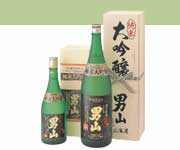
Just for good measure, the next selection was also Junmai Daiginjo, but not of the Summer-release unpasteurized style. We got to try Otokoyama Junmai Daiginjo (SMV: +5, Acidity: 1.3, Rice: Yamadanishiki, Seimaibuai: 38%, Yeast: N/A)from the northern island of Hokkaido. While there were elements of fruit, notably pineapple, on the palate, it also had the balanced grain with clean and dry finish that has been the hallmark of their seishu.

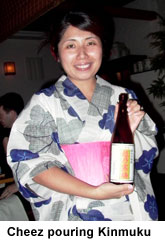
The decent from pinnacle of Junmai Daiginjo was gentle. It started with Koshi No Kanbai "Kinmuku" Junmai Ginjo (SMV: N/A, Acidity: N/A, Rice: Yamadanishiki, Seimaibuai: 45%, Yeast: N/A)from Niigata Prefecture. Mildl fruity, grainy, and dry, it was the perfect progression from Otokoyama.

The progression continued with surprise addition, Momokawa Tokubetsu Junmai (SMV: +2, Acidity: 1.4, Rice: N/A, Seimaibuai: 60%, Yeast: N/A) from Aomori Prefecture. Served in an iron pot, I was expecting a warm saké, but that turned out to be an illusion. After Junmai Ginjo, this went down even more like water, although I did detect hints of fruit and grain as well.

The dessert was served with Hanahato (Japanese only) Kijoshu (SMV: -44, Acidity: 3.5, Rice: Chouseishinsenbon, Seimaibuai: 65%, Yeast: Assoc. #9). To qualify as Kijoshu, the water is replaced with Junmaishu prior to bottling and aging (8 years in this case), so this step is very similar to Port or Sherry. Like Port, the flavor contains nuts, dried fruits, raisin, dark chocolate with a long finish. Another perfect way to end a perfect evening...
************************************************************
August 8, 2006

On this day, we had what can be described as Saké Summit II. Since Sakurai-san was in town, we decided to have a BYOS party at my friend Hideo's place on UES. In attendance were Saké Buddies Hideo, Tim Sullivan, Lefty, Warren, Sakurai-san, and Nogami-san. Thanks to Tim for sharing the pictures, as usual. Without further ado, here are the selections:

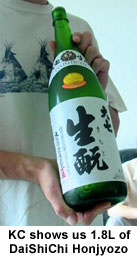
Saké #1: We started with a Kimoto Honjozo (SMV: +1, Acidity: 1.4, Rice: Gohyakumangoku, Seimaibuai: N/A, Yeast: N/A) by Daishichi Brewery of the Minowamon fame. This is a good starter, as it is refreshing style with balance of fruit, grain, and dryness.

Saké #2: was the ever-so-reliable Masumi Okuden (SMV: +3, Acidity: 1.5, Rice: 80% Miyamanishiki/ 20% Hitogokochi, Seimaibuai: 60%, Yeast: Assoc. #7), where you can find my notes about half way down this page.

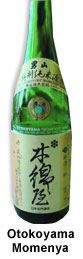
Saké #3: Otokoyama "Momenya" Tokubetsu Junmai (SMV: N/A, Acidity: N/A, Rice: N/A, Seimaibuai: 55%, Yeast (N/A). Warren was very intrigued by this version of the Otokoyama, so this was his contribution. This saké was very interesting, offering heavy contrast to the elegant Masumi. More expressive with hints of banana, the flavor seems to intensify and firm towards the finish, reminiscent of a Genshu.

Saké #4: Aiyu "Tomoju" Junmai Ginjo (SMV: +2, Acidity 1.5, Rice: Gohyakumangoku, Seimaibuai: 50%, Yeast: N/A), selection by Lefty. As some may recall, I have a pretty high regards for this saké. Incidentally, I have received email from Mr. Kanehira, EVP of the brewery, that Tomoju received a Gold Medal in their category. In other words, a good choice all around!

Saké #5: Kurosawa Junmai Daiginjo (SMV: 0, Acidity: N/A, Rice: N/A, Seimaibuai: 40%, Yeast: N/A). Synonymous with Nagano saké, Kurosawa has a very distinct style that shows up in their limited production (1,500 bottles/year) Junmai Daiginjo. While a lot of Dainginjo-grades showcases fruit, Kurosawa has great balance of ginger, hibiscus, cedar, herbs, spices, and umami. Just an unique and incredible style like no other.

Saké #6, 7, 8: Trifecta of Dassai. Mr. Sakurai brought 3 small bottles of Dassai for us to taste. Let's just say that there weren't enough! In the past, I have heaped praise upon praise on their Junmai Daiginjo and Junmai Ginjo, so now, I'll take time to provide notes on their Junmai Ginjo Nigori (SMV: +6, Acidity: 1.2, Rice: Yamadanishiki, Seimaibuai: 50%, Yeast: N/A). Staying with their stringent standard, this Nigori is polished down to 50%. The result is a very fragrant, light, and crisp style with fruity flavors and amami that leads to a dry finish. The amount of lees is mild, providing a nice texture without being overwhelming.

Saké #9: Senkin "Ginyu Shizuku" Junmai Daiginjo (SMV: +5, Acidity: 1.3, Rice: Yamadanishiki, Seimaibuai: N/A, Yeast: Tochigi Yeast). This was Tim's selection, a free-run style saké from Tochigi Prefecture. After having 8 (?!) high-quality sakés of varying styles, what better way to end the tasting than with a fruity, rich, and soft style Junmai Daiginjo? The flavors of melon and pineapple was perfect, almost like dessert, and the gentle mouthfeel is exactly what was needed at that point. Only thing that could be better is for that Chinese food to arrive...

Review of 2006: June

June 17, 2006

Roughly a month after the Masumi tasting, Sakagura decided to host yet another tasting event, this time featuring selections by an up- and- coming importer, Joto Saké. I attended this event with my Saké Buddies Tim Sullivan and Hideo.

While the portfolio of Henry Sidel's company is small, they feature sakés that are truly artisinal. For this event, there were 19 selections from 5 breweries.

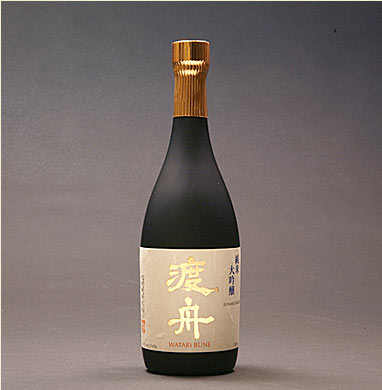
The first selections were three sakés by Huchu Homare Brewery from Ibaraki Prefecture known for their "Wataribune" labels. Wataribune labels are named after a legendary strain of rice that was thought to be extinct for over 50 years, until it was discovered in a lab at research institute. The significance of this rice strain is that it is the father strain of the famed Yamadanishiki.
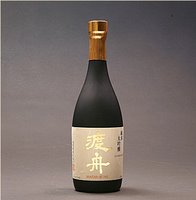
Huchu Homare makes Junmai Daiginjo (SMV: +3, Acidity: 1.4, Rice: Wataribune, Seimaibuai: 35%, Yeast: N/A) and Junmai Ginjo "55" (SMV: +3, Acidity: 1.5, Rice: Wataribune, Seimaibuai: 55%, Yeast: N/A) using the Wataribune rice, while their "Taiheikai" Tokubetsu Junmai (SMV: +2, Acidity: 1.5, Rice: Gohyakumangoku, Seimaibuai: 55%, Yeast: N/A) uses the local rice, Gohyakumangoku. With this type of differes, we were able to enjoy the difference between the effect of polishing ratio between Junmai Daiginjo and Junmai Ginjo, and differences between the rice through tasting "55" and "Taiheikai." For the record, the Junmai Daiginjo had fruitier presence and longer finish, while Tokubetsu Junmai had slightly earthier and softer undertones.
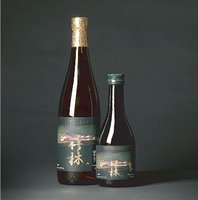
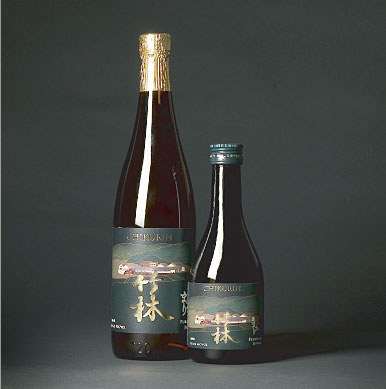
The next in line were selections by Marumoto Brewery of Okayama Prefecture and their Chikurin "Bamboo Forest" line of sakés. Marumoto is an organic producer, and they grow their own Yamadanishiki rice on the premises. There were four sakés to try, including "Taoyaka" (Elegance) Junmai Daiginjo (+2, 1.2, Yamadanishiki, 35%, N/A), "Kaoyaka" (Lightness) Junmai Ginjo(+3, 1.4, Yamadanishiki, 50%, N/A), "Fukamari" (Depth) Junmai (+4, 1.3, Yamadanishiki, 60%, N/A), and the sparkling "Hou Hou Shu," not yet available in the States (Data N/A). The other note that should be mentioned for the non-sparkling sakés is that the pressing method between Junmai (accordion-like contraption) and Junmai Ginjo/Daiginjo (saké boat) is different.

Interestingly, I found that I enjoyed the Junmai the best as I seem to favor, relatively speaking in this case, deeper flavor and vibrancy owing to more intense pressing and less rice polished off. By comparison, both Kaoyaka and Taoyaka were very light and delicate in flavor, going down like water.

Moving on, we get to one of my recent breweries, Saiya Brewery of Akita. As you may recall, Akita Komachi received a very good review last month. Like the other two brewers before, the selections were very educational as we got to see the difference in impact of added alcohol, polishing ratio, and rice selection.

The Akita Komachi Daiginjo (SMV: +2, Acidity: 1.5, Rice: Akita Komachi, Seimaibuai: 35%, Yeast: N/A) showed that Akita Komachi rice is more fruitier than Gin No Sei rice, found in Daiginjo (SMV: +2, Acidity: 1.5, Rice: Gin No Sei, Seimaibuai: 35%, Yeast: N/A), which in turn showed that added alcohol has more fruity and less minerals on the finish compared with Junmai Daiginjo (SMV: +1, Acidity: 1.6, Rice: Gin No Sei, Seimaibuai: 40%, Yeast: N/A).

The next selection of sakés came from Shichi Hon Yari Brewery, featuring really cool looking spearman on the label. We had a chance to try the Junmai Ginjo (SMV: +5, Acidity: 1.3, Rice: Tamazakae, Seimaibuai: 50%, Yeast: N/A) and Junmai (SMV: +4, Acidity: 1.4, Rice: Tamazakae, Seimaibuai: 60%, Yeast: N/A). This was another case where I preferred the "lower" grade Junmai over more refined Junmai Ginjo, as I can detect more layers and complexity. The Junmai was decidedly more earthy of the two, featuring elements of marshmallow, mushrooms, grains, and cocoa to with a refreshing dry finish. Junmai Ginjo had steamed rice/fruit balance on the nose, followed by a fruit/grain balance and dry finish.

All the way at the end were sakés by Kasumitsuru Brewery from Hyogo, famous for Miyamizu water and Yamadanishiki rice. Interesting note about this brewery is that they make their sakés in either Kimoto or Yamahai method. There were 5 selections available to taste, including 4 usual offerings plus one additional Nama Genshu.

Kimoto Junmai Ginjo (SMV: +3.5, Acidity: 1.6, Rice: Yamadanishiki, Seimaibuai: 60%, Yeast: N/A) was a creamy style with flavors of nuts, cream, and yogurt. In contrast, another Kimoto, Extra Dry (SMV: +5, Acidity: 1.1, Rice: Gohyakumangoku, Seimaibuai: 65%, Yeast: N/A) was smokier and softer on the body.

Switching to Yamahai style, their Junmai (SMV: +4, Acidity: 1.6, Rice: Kitanishiki, Seimaibuai: 65%, Yeast: N/A) was creamy balanced with umami, and focused on the palate with dry finish. The Yamahai Ginjo (SMV: +3, Acidity: 1.4, Rice: Yamadanishiki, Seimaibuai: 55%, Yeast: N/A) exhibited the most fruit, with mild notes of melon balanced by soft grain and smoke.

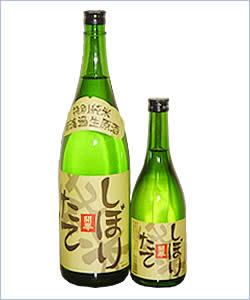
Shiboritate Nama Genshu was slightly nutty, with balance of sweetness and spiciness.

All in all, this turned out to be one of the most educational and fun evenings tasting sakés.
************************************************************
June 25, 2006
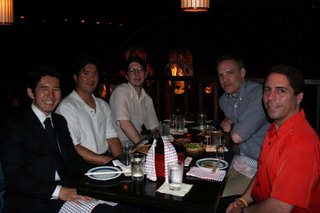
Little bit over a months since attending Dassai Tasting at Sake Hana, I received an email from Mr. Sakurai. He would be in town in June, and wanted to get together with some saké enthusiasts in the States. After coordinating schedule with my Sake Buddies Tim Sullivan, Lefty, and "Guru of All Things Alcohol" Warren Radford, we decided to meet at a bar at Matsuri Restaurant for an evening of Saké Summit.

The evening was a lot of fun, as you can imagine. We had fun with the fact that Sakurai-san was here, by asking waitress "we're thinking of ordering Dassai Junmai Ginjo. What do you think?" (unfortunately, she was new, and didn't know) and having Mr. Sakurai-san confirm the bottle once it came out.

So, we kick off the evening with Dassai 50. While drinking, Tim, Lefty, and Warren would ask questions and I would translate. We discovered that they take such care into their saké to a point where they use plastic stopper and metal screwtop to minimize potential contamination and spoilage.

We decided to try couple of pretty good sakés to see how they compared with Dassai 50. First, we tried one of my favorite Junmai Ginjo, Kaika "Kaze No Ichirin" from Tochigi Prefecture (SMV: +2, Acidity: 1.2, Rice: Miyamanishiki, Seimaibuai: 53%, Yeast: N/A). While this vintage of Kaika was less fruity than the past year, the lack of fruitiness seemed to magnify when compared with Dassai 50. It drank easy, like water.

The next challenger was none other than Hakkaisan Honjozo from Niigata (SMV: +4, Acidity: 1.4, Rice: Koshijiwase, Seimaibuai: 55%, Yeast: Assoc. #7). Here, we chose the big name that was comparably priced, rather than go with the similar style. As a result, Hakkaisan proved to be very different, with far more earthy elements of nuts, grains, and steamed rice on the nose and palate with a nice dry finish.

Having tried two sakés, we were unanimous in our thoughts that there were no sakés that were better than Dassai 50 in the $45~$55 range (restaurant price). Fittingly, we ended a wonderful evening over another bottle of Dassai 50 before stumbling our way home.

Review of 2006: May

Although I attended only two events in May, they were very impressive events. Before we begin, I'd like to gice huge thanks a fellow saké blogger Tim Sullivan of Urbansaké website for granting me the permission to use some of his photos. Big "Kanpai" to you, Tim!
May 1, 2006

My favorite izakaya, Sakagura, hosted a saké extravaganza featuring 30 different sakés covering basically all types except koshu. As you can imagine, this was a saké lovers' dream!

Here are the list of sakes by category and in alphabetical order:

Daiginjo class: Daishichi "Minowamon" Kimoto Junmai Ginjo, Hakuryu Daiginjo, Ken Daiginjo, Kokuryu Daiginjo, Kubota "Hekijyu" Yamahai Junmai Daiginjo, Momokawa Daiginjo, Nanbu Bijin Daiginjo, Tsukasabotan Junmai Daiginjo Shizuku, Yuki No Bosha "Akita Komachi" Daiginjo.

Ginjo class: Daishichi "Kaiden" Kimoto Junmai Ginjo, Dewzakura "Oka Yamadanishiki" Junmai Ginjo, Kimi No I "Kurahiden" Yamahai Junmai Ginjo, Kirakucho Junmai Ginjo, Kokuryu Junmai Ginjo, Kudoki Jozu Junmai Ginjo, Masumi Yamahai Junmai Ginjo, Sudo Honke "Yusura" Junmai Ginjo NamazakéTsuki No Katsura "Yanagi" Junmai Ginjo, Yuki No Bosha Junmai Ginjo.

Others: Ama No To Junmai, Dassai Junmai Ginjo Nigori, Hoyo "Genji" Tokubetsu Junmai, Karen Junmai, Kasumitsuru Honjozo, Otokoyama Fukkoshu, Ryusei Tokubetsu Junmai, Taiheizan Kimoto Junmai, Yatagarasu Taruzaké, Yukikage Tokubetsu Junmai.

Here are the highlights:

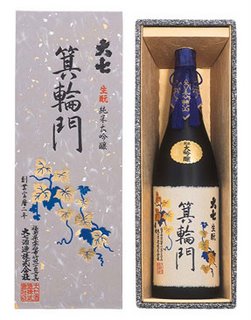
Gold Medal: The top of the show goes to Daishichi Brewery's Kimoto Junmai Daiginjo, "Minowamon" (SMV: N/A, Acidity: N/A, Rice: Yamadanishiki, Seimaibuai: "Irrelevant," Yeast: N/A), where you can read the notes here (actually, scroll down 1/3 page...). As you notice, this is Minowamon's second Gold Medal finish in two month! One interesting note: few days after the JFC tasting, I met Mr. Hideharu Ota, President of the brewery. I asked about the polishing ratio, and his response was "irrelevant" due to their unique polishing ratio. It is said that 50% seimaibuai using Super-flat Polishing Method would contain more pure starch than 35% seimaibuai using traditional method.

Silver Medal: Yuki No Bosha Akita Komachi Daiginjo (SMV: +2, Acidity: 1.5, Rice: Akita Komachi, Seimaibuai: 35%, Yeast: N/A) by Saiya Brewery. Using the local rice Akita Komachi, this bottle featured mildly fruity nose before revealing rich pineapple, "amami," and lychee on the palate. The finish is very long and balanced, and leaves you begging for more.

Bronze Medal: The awards mounted to a Daiginjo-class hat trick, as Kokuryu Daiginjo from Fukui Prefecture captured the Bronze. This was a revealing Daiginjo, as it was not as fruity as others that were being tasted. While it did feature mild fruit on the nose, the flavor was focused with flavors of steamed rice and presence of umami. While initially subtle by comparison, this is a saké that gets better more you drink, and just grows on you.

Eye-opener of the night: While it was far from the best saké of the night, we were introduced to a style called Fukkoshu Junmai Genshu (SMV: -50, Acidity: 3.5, Rice: Toyonishiki, Seimaibuai: 70%, Yeast: Assoc. #701), meaning "revival saké." This is a speciality by Otokoyama Brewery from Hokkaido, made in a very traditional method mimicking the style of saké from about 300 years ago. While the nose features a aromas of steamed rice, the surprise was in the whiskey-like graininess and a sweet and long finish temepered by high acidity. They say that you learn something new every day... well, this certainly qualifies as my lesson of the day!
************************************************************
May 15, 2006

Mere 10 days later, Sakagura was a host to a brewery tasting featuring fantastic selections by one of my favorite kuras, Miyasaka Shuzo and their Masumi brand of sakés. I attended this event with my Saké Buddies Tim Sullivan and Lefty.

First, some information about the kura: Established in 1662 high in the mountains of Nagano, Miyasaka Shuzo makes popular Masumi as well as their limited Miyasaka labels. They are one of the revolutionary kura, having discovered the industry standard "Association #7" yeast that is currently used by about 60% of the brewery nation-wide. After the popularity of their saké skyrocketed thanks to this yeast, the brewery built a second location to accomodate the increase in demand. With features reflecting the elements of clean water and long cold winter ideal for fermentation, Masumi is truly one of the finest terroir driven saké in Japan.

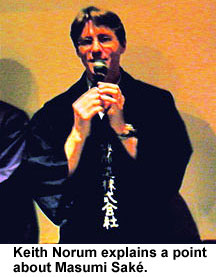
For this event, two representatives of the brewery were present: Toji (Brewmaster) Mr. Kenji Nasu, and Overseas Operations officer Mr. Keith Norum. In speaking with Keith, I discovered that he became part of this operation after meeting a representative of the brewery at a BBQ. (How come nothing like that ever happens to me?!)

The tasting began with their namazaké "Arabshiri," where you can find my notes towards the bottom of the page over here.

The next selection was Okuden Kanzukuri Junmai (SMV: +3, Acidity: 1.5, Rice: 80% Miyamanishiki/ 20% Hitogokochi, Seimaibuai: 60%, Yeast: Assoc. #7). This is one of my favorite "everyday" bottle, and one of the best value performer. As the data indicate, this can technically be called a Junmai Ginjo, but it can be found for about $23, a price that may be on the lower end even for Junmai! What I especially like about this saké is the muted complexity. There are a lot of flavor components including notes of rice, mild fruitiness, and subtle earth and grains, yet just like a fine aged wine, those elements are gracefully integrated. This is hardly a surprise, as "Kanzukuri" means "cold brewed," and this mild flavor profile is a clear testament to the slow fermentation that is the hallmark of cold Nagano winter.

At this stage, Nasu-san, with Keith translating, ran a slide show demonstration to introduce the audience to their kura and production method. They were graceful to answer some of the more technical questions, which covered topics such as pressing method and fermentation and storage temperature.

Naturally, the next offering provided a sharp contrast to the gracefulness of Okuden Kanzukuri. Yamahai Junmai Ginjo (SMV: +2, Acidity: 1.9, Rice: 80% Miyamanishiki/ 20% Hitogokochi, Seimaibuai: 55%, Yeast: Assoc. #7) is, as the name suggests, made using the traditional slow fermentation process called Yamahai. Yamahai, like Kimoto, produces a saké that is richer and more expressive. The nose was very creamy, and the flavor was very upfront with notes of steamed rice and dried fruits before leading to a clean finish.

After that came Nanago Yamahai Junmai Daiginjo(SMV: -1, Acidity: 2.0, Rice: Miyamanishiki, Seimaibuai: 49%, Yeast: Assoc. #7), a natural progression from Ginjo to Daiginjo grade. Named after the famed yeast and made with 100% Miyamanishiki, the rice of Nagano, Nanago was very different from the Yamahai Junmai Ginjo. The nose was fruity with refreshing frothiness as one would get from green apples. The approach was decidedly softer, followed by flavors of crisp nashi (Japanese pear). The finish was very refreshing and lasting. I'd drink this all day long, except my budget won't let me!

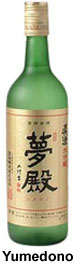
The last was the pride of the kura, Yumedono Daiginjo (SMV: +5, Acidity: 1.3, Rice: Yamadanishiki, Seimaibuai: 40%, Yeast: Assoc. #9). Made for the puropose of entering national tasting competitions, Yumedono is a limited, hand- produced label featuring the King of Rice polished down to 40%. Nasu-san explained that they use Association #9 yeast to separate itself from the competition, as ironically, there are many competing Daiginjos made using the very #7 that Masumi developed! Lastly, they add mintue amount of brewer's alcohol to preserve flavor. The result is a saké that is very fruity starting from the nose. The ripe tropical fruit notes flow right from the aroma to the palate, with a soft and velvety apporach in between. The finish is lasting and pleasantly dry. This saké defintitely hit the spot, and Keith and Nasu-san were kind enough to let me "review" this saké a few times!

Although the sakés were great, what really stood out were the passion of Keith and Nasu-san. The amount of respect and appreciation increases exponentially when the Brewmaster is there to explain all care and the details that go into making each saké, and then to have him pour part of his heart and soul into a glass for you to enjoy...

Review of 2006: April

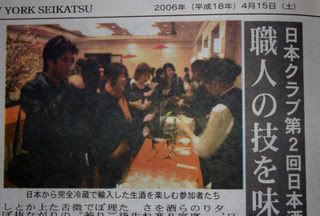
April 7, 2006: Caught in the act. Wouldn't you know it, just as I am enjoying some namazaké, I end up in a Japanese tabloid "Shukan NY Seikatsu" (Weekly NY Lifestyle.) How did I get to this point? Well...

At the Taiheizan tasting at Matsuri, Yamazaki-san was gracious enough to invite me to sampling of namazaké from the portfolio of Japan Prestige Saké Association held at Nippon Club.

Of course, nothing says springtime more than the first release of seasonal unpasteurized namazaké. These sakés feel more vibrant and fresh compared to the regular seishu, and for a good reason: they are first release of the year after harvesting the previous autumn, and active yeast provides effervescence, and many of them are made in the form of cask-strength genshu style.

At this event, the following namazaké were being served: Dewa No Yuki Tokubetsu Junmai Namazaké (Yamagata), Gokyo "Arabashiri" Nama Genshu (Yamaguchi), Harushika "Shiboribana" Junmai Ginjo Namazaké (Nara), Kaika "Shiboritate" Tokubetsu Junmai Muroka Unfiltered Nama Genshu (Tochigi), Kamikokoro "Toukagen" Tokubetsu Junmai Nama Genshu (Okayama), Koshi No Homare Nama Genshu (Niigata) , Masumi Arabshiri Nama Genshu, Otokoyama Yukishibore Tokubetsu Junmai Kasumi-shu (Nagano), and Shutendouji "Oo-oni" Tokubetsu Ginjo Nama Genshu (Kyoto).

There were some notable obeservations from this event:

* Kamikokoro "Toukagen," using yeast from peach, had a drastically different feel than 2005 version, indicating that vintage does indeed matter in the world of saké. In 2005, Toukagen was mildly fruity and earthy with a clean and dry finish (SMV: +5), while 2006 was juicy fruit, no earthiness, and shockingly sweet (SMV: -11).

* Otokoyama and their seasonal release has one thing in common: they all have light presence of moromi (lees), which serve to provide extra oomph to the flavor. Most other brewers opt for undiluted apporach instead.

* Naturally, a saké that is not available in the U.S. tend to leave a lasting impression, and such was the case with Shutendouji "Oo-oni." The "Big Demon" was rich and fruity with a sharp and long, dry finish (SMV: +4, Acidity: 1.8).

Of all those, three really stood out for me. The first was Kaika (right, SMV: +1~+2, Acidity: 1.5, Rice: Gohyakumangoku, Seimaibuai: 59%, Yeast: N/A) with its fruity and juicy approach. I've always been a fan of their "Kaze No Ichirin" Junmai Ginjo, so I had high hopes and this did not disappoint.

There was another saké that I looked forward to trying, as I enjoy their other selection. That saké was Masumi Arabashiri (SMV: -1, Acidity: 1.8, Rice: 80% Miyamanishiki 20% Hitogokochi, Seimaibuai: 55%, Yeast: Assoc #7). Although the aroma was subtle, the flavor was expressive Japanese pear complemented by notes of cocoa. While the SMV shows -1, the firm finish of the Genshu makes it seem drier.

The aforementioned Otokoyama Yukishibore (left, SMV: +4, Aciditiy: 1.4, Rice: N/A, Seimaibuai: 55%, Yeast: N/A) was the most complex of the sakés. The flavor was a expressive and balanced notes of yogurt and white grapes, with a pleasantly dry finish.
********************************************************
April 13, 2006:

I attended a Saké & Beer Expo sponsored by a large saké importer, JFC Int'l. There were over 120 selections covering saké, shochu, and beer. I tried most of the saké and shochu on the list, but in the best interest of self-preservation, had to forgo beer.

Since the selections were far too many list, here are some awards:

Gold Medal: The top of the show goes to Daishichi Brewery's Kimoto Junmai Daiginjo, "Minowamon" (SMV: N/A, Acidity: N/A, Rice: Yamadanishiki, Seimaibuai: N/A, Yeast: N/A). Using a combination of the unique Super-flat Polishing Method and labor intensive Kimoto method, Daishichi Brewery produces a very fruity yet balanced Junmai Daiginjo. With a full mouthfeel and balance of fruitiness along with presence of amami and complemented by clean and dry finish, this saké has got it all.

Silver Medal: Chiyomusubi "Tobingakoi" Daiginjo (SMV: +6, Acidity: 1.2, Rice: N/A, Seimaibuai: 35%, Yeast: N/A) from Tottori Prefecture. This is made in a Shizuku (free-run) style, and adding the brewer's alcohol plays a significant part in its flavor profile. While Shizuku style tends to be soft and mild, this one is one of the most expressive saké on the market. It's almost like a fruit cocktail in a bottle, yet balanced and dry.

Bronze Medal: goes to Aiyu Shuzo's (Japanese only site) Tomoju Junmai Ginjo (SMV: +2, Acidity 1.5, Rice: Gohyakumangoku, Seimaibuai: 50%, Yeast: N/A) from Ibaraki Prefecture. This saké showcases Gohyakumangoku rice well, showcasing the fruity flavors of tropical fruits balanced by hints of chocolate on the finish. This medium-bodied Junmai Ginjo is easy drinking, and just plain delicious.

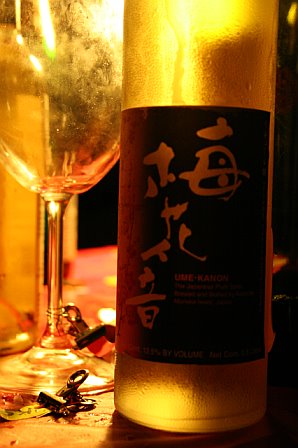
Eye-opener of the night: One of the benefits of attending events where 120+ beverages are served is that you are bound to come across something totally unexpected, and such was the case with the real Umeshu, a.k.a. Plum Saké. Ume Kanon (no data available), while similar in flavor to plum wines, is lighter in body and very complex. The nose of soft dried raisin and Japanese ume plum leads to a very gentle approach, flavors of ume, raisin, and lychee, packaged in a very well acidity with a balanced sweet and tart finish. Once you try Plum Saké, there is no going back to Plum Wines, that's for sure!
********************************************************
April 27, 2006:

This tasting featuring 5 brewers at Saké Hana as a very special event, as it turned out. Aside from getting to tasting several of the finest sakés, I got to meet two people I consider to be Saké Buddies (Henceforth, an official title in this blog.)

The event featured 5 breweries, mostly from central to southern Japan. The brewers were: Asahi Shuzo (Dassai) from Yamaguchi, Bonki from Kyoto, Fukucho Brewery (Biho) of Hiroshima, Gassan Shuzo from Shimane, and Tenzan Shuzo of Saga.

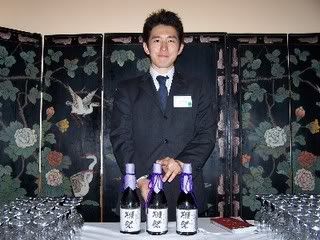
The first saké I sought out was the legendary Dassai "Migaki Niwari Sanbu" ("Polished to 23%", henceforth "Dassai 23"), which as the name imply, is the most refined saké available in the U.S. I head straight to the Dassai 23, and introduce myself to the young gentleman pouring the saké. The young gentleman turned out to be Mr. Kazuhiro Sakurai,the Vice President and 4th generation brewer of the Asahi Shuzo.

Dassai 23 (SMV: +4, Acidity: 1.1, Rice: Yamadanishiki, Seimaibuai: 23%, Yeast: N/A) is one of those special saké that seem to please everyone. Expressive yet gentle, the fruity elixir posseses enough character and fruitiness to appeal to the novices, while showcasing the elegance, complexity, and pleasingly dry finish to impress the connoiseurs. For those of you who have yet to try this, definitely put this on your life's "to do" list!

Sakurai-san then poured me their "50" Junmai Ginjo (SMV: +5, Acidity: 1.3, Rice: Yamadanishiki, Seimaibuai: 50%, Yeast: N/A). Time for a confession. Before I tried Dassai 23, I was thinking that maybe I shouldn't start with the 23 first, since everything else is all downhill. But on the other hand, I figured that it is best to taste 23 on the virgin palate, to maximize its impact. Naturally, I chose the latter.

As I braced for my first taste of the 50, I couldn't ignore my dilemma. "Sure, Dassai 50 is technically a Junmai Daiginjo by other brewery's standards, but it's not 23!" my so called logic chimed in. But guess what, it's fantastic!

While 23 featured balanced gentleness, fruitiness, and dryness, 50 was harmony of cleaness, fruitiness, and dryness. While the initial taste was daiginjo-like fruitiness, there was a harmonizing notes of grain that lead effortlessly to a ginjo-like cleaner and drier finish. And for about 1/3 the cost of 23, this is a tremendous bargain.

The next ones I tried were from Yoshida Shuzo, maker of Gassan labels . I have tried their sakés in the past, but that was well before I started taking extensive tasting notes, so without much recollection, it was like trying them again for the first time! Of the four I tried, I liked their "Tobira" Daiginjo (SMV: +5, Acidity: N/A, Rice: Yamadanishiki, Seimaibuiai: 35%, Yeast: N/A), made in the shizuku method. Shizuku method of gravity-aided free-run pressing produces a saké with rich yet gentle body and expression. This particular Daiginjo had a doughy nose followed by balance of fruitiness and mild spiciness leading to a dry finish. This saké oozes of "special occasion" designation for sure.

Somewhere along the way, I met Tim Sullivan of Urbansake.com, a website detailing Tim's journey into the world of saké. Little did I know at the time that our paths would cross often, and that he would eventually be one of the guiding force in my establishing this blog! I am sure you will see Tim's name mentioned here often.

Back to the topic at hand. The next two sakés were dessert style "Bonki" and sparkling Japon by Tanzan Brewery. Incidentally, both sakés possess similar data: (SMV: -60, Acidity: 5.8, Rice: Gohyakumangoku, Seimaibuai: 65%, Yeast: N/A). Bonki was kind of like light ume-shu, and high acidity makes it feel much drier than the SMV -60. Japon reminds me a bit of Italian dessert wine Moscato d'Asti, lightly sparkling with mild fruitiness.

Down the bar at Saké Hana was a Master Brewer Miho Imada from Fukucho Brewery in Hiroshima. Make that Ms. Miho Imada, a female Toji! Their Junmai Ginjo "Biho" (SMV: N/A, Acidity: N/A, Rice: Yamadanishiki Blend, Seimaibuai: 58%, Yeast: N/A) is actually named in her honor, where alternate pronunciation of kanji for "Miho" yields "Biho."

I've had Hiroshima sakés before, and they were known for their earthy, and sometimes funky style (think Suishin and Kamoizumi Shusen). This one was very different from any of the Hiroshima saké I've had, with its fruity flavors of lychee and pineapples. While the approach was soft and gentle, the finish was sharp and clean. This was very good.

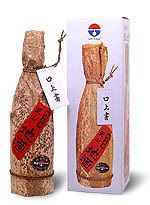
All the way at the end was Tenzan Brewery. If the name doesn't ring a bell, the bamboo-leaf wrapped bottle of Jizake Tenzan Genshu sure should be a familiar sight! The Jizake Tenzan (SMV: +2, Acidity: 2.2, Rice: Saikai #134, Seimaibuai: 60%, Yeast: Assoc. #9) is a Genshu made using local rice, and has a nose of creamy grain and fruits. The flavor is an earthy and robust blend of steamed rice and dried fruits, and the finish is decidedly Genshu, firm and dry.

The last on the list was Japan-only Tenzan "Hotarugawa" Junmai Daiginjo Namazaké (SMV: 4, Acidity: 1.4, Rice: Yamadanishiki, Seimaibuai: 45%, Yeast: Assoc. #9). This was a very refreshing style, fruity melons with good depth and a lasting finish.

While that signals the end of the sampling portion of the evening, it also marked the start of evening long evaluation of the merits of both Dassai 23 and Dassai 50 with my newly found Saké Buddies...