Tuesday, August 28, 2007

8/27/07: Joto Tasting at Sakagura

I have very few rules in my life. One of them is: when a manager of one of your favorite saké bar personally extends invitation to an exclusive tasting event, you must attend. Such was a case for August 27th event at Sakagura, featuring 20 of Henry Sidel’s Joto Saké selections.

Here are the selections:
Shichi Hon Yari Junmai
Shichi Hon Yari Junmai Ginjo
Shichi Hon Yari Shizuku Junmai Daiginjo
Kasumi Tsuru Kimoto Extra Dry
Kasumi Tsuru Yamahai Junmai
Kasumi Tsuru Yamahai Ginjo
Chikurin Fukamari Junmai
Chikurin Karoyaka Junmai Ginjo
Chikurin Taoyaka Junmai Daiginjo
HouHouShu Sparkling Sake
Hana HouHouShu Rose Sparkling Saké
Watari Bune Junmai Ginjo 55
Watari Bune Junmai Daiginjo
Taiheikai Tokubetsu Junmai
Yuri Masamune Futsushu
Yuki No Bosha Junmai Ginjo
Yuki No Bosha Junmai Ginjo Nigori
Yuki No Bosha Daiginjo
Yuki No Bosha Akita Komachi Daginjo
Kattchou Gesseki Daiginjo

I showed up, and came across Timothy and James (my colleague and saké enthusiast). On the other side of the counter, I greeted Henry and Katie from Joto Saké, as well as meeting Joto representatives from Chicago and West Coast.

Having tried many of the selections before, my focus was to try the new ones, and also use the opportunity to learn more about differences in production styles.

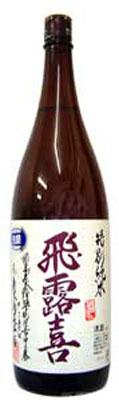
My focus was on Shich Hon Yari Junmai Daiginjo made in Shizuku style (SMV: +5, Acidity: 1.6, Rice: Tamazakae, Seimaibuai: 45%, Yeast: Assocociation #14), as Shichi Hon Yari is one of my favortie producers, and this was going to be their flagship bottle. And my, what a nice looking bottle, looking like the drip (shizuku). The saké was noticeable from other shizuku by its solid expression, while I found many to be very soft and milder in style. Katie was nice enough for me to get very used to this saké.

I thought the most interesting tasting was trying the three Kasumi Tsuru styles. Surprisingly, I found the Kimoto Extra Dry (SMV: +5, Acidity: 1.1, Rice: Gohyakumangoku, Seimaibuai: 65%, Yeast: N/A) to be mildest of the three, with subtle nose and more yeast and umami-driven flavor. By comparison, Yamahai Junmai (SMV: +4, Acidity: 1.6, Rice: Kitanishiki, Seimaibuai: 65%, Yeast: N/A) had far more aromatic nose of fresh mushrooms, which translated to a gamier flavorbalanced with umami. The Yamahai Ginjo (SMV: +3, Acidity: 1.4, Rice: Yamadanishiki, Seimaibuai: 55%, Yeast: N/A) was very tame on the nose, but still showed mushroom characteristics underneath flavors of fruit.


Saiya Brewery's lineup was the most comprehensive from top to bottom, ranging from rare (by US standards) Yuri Masamune "Futsuu Shu" all the way to Yuri Masamune "Kacho Gesseki" Daiginjo made using Fukurotori (Shizuku) style, with Yuki No Bosha series in between. Surprisingly, Futsuu- Shu was better than quite a few of Junmai or Honjozo I have tried. The flavor was bit gamy, with minerals and umami without fruity elements. Kacho Gesseki (SMV: +4, Acidity: 1.2, Rice: Yamadanishiki, Seimaibuai: 35%, Yeast: Saiya), with brewer's alcohol added, was the polar opposite with flavors bursting of intense pineapple.

There were two other standouts. I've always liked Wataribune, and their Junmai Daiginjo (SMV: +3, Acidity: 1.4, Rice: Wataribune, Seimaibuai: 35%, Yeast: N/A) was a pleasure to try again. With its gentle fruitiness and long finish of balanced sweetness and tartness, it has the prototypical Junmai Daiginjo profile. The unconventional choice for the second standout was the Hana Hou Hou Shu Rosé Sparkling Saké. Made by Marumoto Brewery, producer of Chikurin, Hana Hou Hou Shu is a sparkling rosé saké that takes the meaning of rosé literally; the saké infused in rose petals and hibiscus. Although the flavor profile wasn't rose-like per se, it was balanced and delicious.

Sunday, August 26, 2007

8/22/07: Chanto Tasting

Since I was inspired by this event at Chanto last month, I decided to attend the August version of the event as well (I was pre-occupied during their July event.) So what if Chanto is bit of a detour from my Midtown- to- Queens commute home, and it was a Wednesday night... we all need a weekend in the middle of the week, right?


It seems that Chanto runs "Triple Delight" event each month featuring saké, tuna chef display, and Geisha-style dancing. To keep things interesting, there is a revolving theme in saké. In June, it was Shichiken and their saké making clinic; in July, it evidently featured Dassai. For August the theme was "Japanese Premium Saké Collection," featuring 6 daiginjo-grade saké and 4 shochu selections. It was quite a bargain at $65 (includes tax and gratuity)!

My friend Hideo joined me for this event, and not surprisingly, Timothy showed up with Scott as well. While the last event involved lot of movement by the customers depending on what was being highlighted at the moment, this event was a sit-down format. Being one of the first ones on the premises, Hideo and I situated ourselves to a table by the window, strategically within striking distance of the pouring station and with premier view of the Maiko dance.

For tasting, my initial inclenation was to focus mainly on saké, and try the unfamilar/less frequently tasted selections first. However, when I saw Nanbu Bijin Daiginjo (SMV: +5, Acidity: 1.4, Rice: Yamadanishiki, Seimaibuai: 40%, Yeast: Iwate #2), I had to pay my respects to Kuji-san. With its ripe profile, it also wasn't a bad choice to kick off the evening. This was accompanied by some delecable appetizers.

Next, I had Kubota Senshin (SMV: +2, Acidity: 1.3,Rice: Takanenishiki, Seimaibuai: 28%, Yeast: N/A). In one of those rare instances, I wasn't sure what to quite make of this saké. Based on the brand name and seimaibuai, I was expecting a expressive, fruity, and with good structure, but in reality, this turned out to be mellow, smooth like water, and without much impression otherwise. In short, this was as un-Kubota as I have tried. My second visit later in the evening confirmed that the virtue to this saké was the umami-laden flavor and finish.

The sushi chefs started their craft, and we were served "akami" first, both as sashimi and sushi. While my sights were set on "chu-toro," I was surprised by the tenderness of akami. Chu-toro was very good, with well-defined marbling. It did have some of those fatty stripes, which did provide extra texture.

Unfortunately, the next two sakés did not pair all that well with tuna: Born "Tokusen" Junmai Daiginjo (SMV: +5, Acidity: 1.3, Rice: Yamadanishiki, Seimaibuai: 40%, Yeast: N/A) and Go-okunen Junmai Daiginjo (SMV: +6, Acidity: 1.2, Rice: Yamdanishiki, Seimaibuai: 40%, Yeast: N/A). Both had the oxidized nose of dried fruit for different reasons. Born is actually a Koshu, having been aged in a controlled temperature for two years. As a result, the flavor showed mild flavor of caramel moreso than fruit. Go-okunen is from Ehime, and it definitely had "Shikoku-ness" with its mellow but fuller mouthfeel that belie Acidity of 1.2, and more of the sherried flavor on the palate.

As the Maiko dance began, I tried Kamotsuru Tokusei Gold Daiginjo (SMV: 1.5, Acidity: 1.4, Rice: Hattan and Omachi, Seimaibuai: 50%,Yeast: N/A) which, like the other Daiginjo, had more of the riper approach. While the flavor wasn't as flamboyant as Nanbu Bijin, it was deep with firmer finish. I rounded up the first round of saké selections with the incomparable Dassai 23.

Of the four shochu selections, I decided to try two: (Tori Kai rice) for its saké-like flavor profile, and Hozan "Ayamurasaki" (sweet potato) for curiosity. From my past experiences with Hozan proving to be a revelation, I had to try the limited edition made from a purple potato. For my palate, Ayamurasaki is the best of the lot, as I enjoyed the intense yet soft nose of potato, and soft and full texture that brought pretty intense spiciness towards the finish.

As they say, you shouldn't increase your alcohol percentage over the course of the evning. I gladly heeded that advice by going for round two on sakés.

Thursday, August 23, 2007

Interlude: What I've been up to...

...or, more accurately, why I have been negligent.

The last 4.5 months have been a whirlwind, with changes in my full-time employment. Working for a Japanese subsidiary, they expect Japanese work hours to a degree, which does indirectly cut into my blogging hours as such minor details as feeding myself, bathing, sleeping, drinking saké, socializing, playing baseball, etc. still needs to be accomplished.

Also, I have cut down drastically on working at the wine store, reducing weekly hours roughly by half. Part of the reason has been to accomodate the dreaded "zangyō,"but also due to my budding career as a consultant, as some of my recent post hints.

Aside from the events listed here, I have also been asked to train restaurant staff at such highly esteemed restaurants as EN and Matsuri, with few more training sessions on the horizon.

Toshi has few events lined up for me at Saké Hana on the horizon. I have also began some writing, more in the commercial side.

I also celebrated my birthday recently. It was an impromptu event that was held at Saké Hana, and my friends Masa, Tony, Hideo, and John were able to attend on short notice. We started off with a bottle of Sato No Homaré, one of the "payment" Toshi stashed away for me, then one Dassai 50 after another while feasting on Saké Hana special munchies. After about 4th Dassai, Sakurai-san showed up after a saké event.

Wednesday, August 08, 2007

7/20/07: Dassai Midnight Tasting at Saké Hana

My recent run of working at Saké events continues, no thanks in small part to Toshi of Saké Hana. Actually, Toshi has been very instrumental as the past entries and future entries shall prove. This time, the request was to help out Dassai Midnight Tasting. Could he have twisted my arm any further? I think not.

This was a special event, as it featured 7 versions of Dassai saké (keep in mind there are 3 versions currently available in the U.S.), plus soap using Dassai saké lees, dishes cooked using saké lees, and cooked Yamadanishiki rice that has been polished down to "Niwari Sanbu," or 23%. This was sure to be yet another great evening.


The job itself was a first for me... be a bartender, and help with product description and translating for Sakurai-san and Kinoshita-san. I was outfitted with Asahi Shuzo "happi" robe. Attending this event were my buds Lefty, Tim, and Ayuko who brought her friend. Incidentally, the turnout for this event was the biggest I have seen at Saké Hana.


The event kicked off with Dassai 39 Sparkling Nama Nigori. Because this is rare and Sakurai-san brought limited quantity, we decided to open a small bottle at 1/2 hour interval. A perfect little saké to toast and start the evening. (Note: all saké uses Yamadanishiki, and has SMV rating of +3 and acidity of 1.3.)


Others were served on a all-you-can drink style. These selections included: Dassai "50" Junmai Ginjo, Dassai "50" Junmai Ginjo Nigori, Dassai "Warm 50" Junmai Ginjo, Dassai "45" Junmai Daiginjo, Dassai "39" Junmai Daiginjo, and the incomparable Dassai "23" Junmai Daiginjo. Of course, the numbers depict the different degree of polishing ratio.

The popular selection, outside of the "23," seemed to be the "45," which I found to be a rich and bold with fruity presence of the lot. The American audience seems to especially favor the Nigori (both "39" and the "50"), a trend I still have some difficulty comprehending. My personal favorite was the "39," which I sensed to have the best balance between fruit on the palate, dryness towards the finish, and good length.

The hidden treat was the steamed rice cooked using Yamadanishiki that was polished down to 23%. The end result was soft, slightly chewy, with subtle sweetness. As you chew, the mild sweetness unfolds and expands gently in the mouth. Not surprisingly, lot of the flavor profile echoed that of the "23" in the liquid form.

The evening went on well after the scheduled finish, and it was another successful evening at Saké Hana.

Monday, July 16, 2007

6/23 and 6/24: Shichiken Brewery Tasting

6/23: Saké Hana

I was asked by Toshi at Saké Hana to help with a tasting event. This happened to be for Shichiken Brewery, a saké that I was introduced to at Sakagura tasting. One big attraction about this tasting is that it is educational in its approach, educating enthusiasts on the basics of saké production in a show-and-tell format, all within one hour.

The education began with covering the basics of saké, mainly ingredients. The first lecture was on the production of yeast starter. To make “kobo,” Mr. Kitahara used steamed Yamadanishiki rice and sprinkled yeast through women’s stockings- an actual method used by the brewery- while carefully explaining the proper growing conditions. This was followed by production of “shubo,” which involved the production method by mashing the rice and mixing with “kobo” and water in several carefully measured stages.

After “shubo” was prepared, he went through the brewing process, followed by two different stages of filtrations: the separation of the lees from the mash, and carbon filtration. It is important to note that while first filtration sets the difference between clear “seishu” to the cloudy “nigori,” second charcoal filtration determines the difference between filtered and unfiltered “muroka” saké. For Shichiken Brewery, they are heavy on charcoal, resulting in less aromatic, more “traditional” styled flavor with good depth and acidity.

Last section of the lecture concluded with blending, pasteurization, and bottling. Of course, the best part of the evening was the tasting saké after fully understanding the process involved.

6:24: Chanto

Shortly after Saké Hana tasting was finalized, I was asked by Kitahara-san to assist in another tasting event held a day later. This time, the event was held at Chanto Japanese Restaurant by Christopher Street in the West Village. This was not only a saké education event, it also included Maiko-style dance and Tuna Feast, with Chefs demonstrating sashimi making using the one and onl Masamoto yanagi knives.

The event started with the reception featuring Shichiken saké, before Maiko-style dancing took stage. I have to say that this was the first time I got to witness Maiko-style dancing and it turned out to be the highlight of the evening. Combining elegance and athleticism in tune with Japanese shamisen music, to say that the contrasting dynamics of grace and adrenaline rush was awe-inspiring would be a huge understatement. (NOTE: picture of the dancers are not from the event.)

On the side, the chefs started their demonstration, and the feast soon followed. In the mean time, Mr. Kitahara and I began preparation for the presentation which of course, included tasting the products. One of the saké was the featured bottle of the evening, the "Kinu No Aji" 1998 vintage which was spectacular, a clear, pure, and elegant version of the aged Koshu.

This session was to be completed in 1/2 the time as the night before; therefore, our game plan was to conduct same-time translation. This went very well, and audience were engaged.

After the session, it was time for round two of... everything. (Hey, nobody told me that!) This, of course, included saké presentation by which time has become second nature.

Tuesday, June 05, 2007

5/15/07: EN Japanese Brasserie Tasting Event

As they (*ahem!* I) say, sometimes, you find saké events, and sometimes, saké event finds you. Latter was the case for EN tasting event featuring 50 sakés by Banzai Beverage Corporation, which was a second installation of the successful event from back in September, 2006.

I must confess that I knew of this event, but having attended tasting events including my frequent visits to Sakagura recently combined with the fact that I already "knew" sakés from the last time, I did not make a reservation. When Toshi-san from Saké Hana called me on behalf of EN with an interesting proposition of getting paid while translating on behalf of saké brewers to the customers, then I was all for attending the event. Funny how small details changes one's perspective...

Speaking of changing one's perspective, there were some major surprises:

1) Winner of my Gold Medal from September, Hiroki, was a disappointment this time around. I had very high hopes based on my past experience, yet this time, I felt it lacked a strong presence in the middle, as if it lost its soul. I don't know what it is, whether it's bad harvest, its rising popularity forcing mass production, or whether these were same bottles from 6 months ago (all speculative, by the way), but something wasn't quite right although the data (SMV: +2, Acidity: 1.5, Rices: Yamadanishiki & Gohyakumangoku, Seimaibuai: 50% & 55% respectively, Yeast: N/A) is the same from 6 months ago. Needless to say, Hiroki failed to medal this time around.

2) Sumi No E "Tattoo" Tokubetsu Junmai (SMV: +3, Acidity: 1.5) Rice: Yamadanishiki, Seimaibuai: 60%, Yeast: N/A) , featured at the booth I worked, used different rice compared with last September. Back then, they used Omachi Rice, while this time around, they went with Yamadanishiki. As a result, this year's saké was cleaner in style and minerally compared with last year. The Brewer mentioned that they felt change is necessary to to meet increase in demand while maintaining consistency. One of the fun part working in these events (outside of generous servings of saké) are all the behind the scenes information that the brewers happily share with you.

3) Gold winner hailed from a region that I would not expect good saké to be brewed. In fact, this had been a region that I had not taken seriously at all.

What I learned, especially based on points 1 and 3, is that the more I know, the less I know. Without further ado, here are the Medal Winners:

Gold Medal: Azumaichi Junmai Ginjo (SMV: 0, Acidity: 1.6, Rice: Yamadanishiki, Seimaibuai: 50%, Yeast: N/A). A big shocker here, as I have not come across impressive saké from Kyushu Island... until now. Crisp and vibrant with depth to the fruity palate followed with umami-laden finish, this was not a just a great saké from Kyushu, it was a simply a great saké. From Saga Prefecture.

Silver Medal: Isojiman Omachi Tokubetsu Junmai (SMV: +5, Acidity: 1.3, Rice: Bizen Omachi, Seimaibuai: 55%, Yeast: N/A). I gave the edge to Tokubetsu Junmai over Junmai Ginjo, mainly because of the novelty value of using the Omachi rice, one of my recent favorites. Combining the clean fruity flavor, brawny spices, deep minerals, and long umami, this is complex and sturdy saké that's perfect for Spring or Autumn.

Bronze Medal: Katsuyama Junmai Daiginjo (SMV: +1, Acidity: N/A, Rice: Yamadanishiki, Seimaibuai: 40%, Yeast: N/A) from Miyagi was the typically fragrant style expected out of junmai daiginjo. The profile of juicy pineapple and spices was reminiscent of the great Kakunkō, and I am led to believe that they use yeast #9 here. This was very popular among my friends. This was one of the sakés I took home.

5/12/07: Cyber Tasting at Urban Saké Headquarters

Back in late October of 2006, Saké Bloggers held their cyber tasting event. Since this blog began three days later, I did not qualify then. Now is a different story, however.

Tim has disclosed that the theme will be a vertical tasting featuring two different grades of saké by two different brewers from two different regions. Fearing that four sakés total would not be enough, I volunteered to bring a saké I never tried before in Koikawa Junmai Daiginjo. I was particularly interested in this bottle, as the main sakamai (saké rice) is a rarely used "Kame No O."

Attending the event were Tim, Robb Satterwhite from bento.com where he works with a noted saké blogger based in Japan, Atsuko (who I coincidentally met at a friend's wine party... oh the benefit of retro-blogging!), Min from Joto Saké, and Scott.

Here are my tasting notes:

• Hana No Mai Junmai Ginjo (SMV: 5, Acidity: 1.2, Rice: N/A, Seimaibuai: 55%, Yeast: N/A) from Shizuoka. Gentle steamed rice on the nose, hints of fruitiness. The flavor initially shows sweetness, but eventually shows koji/rice oriented flavor and long on the minerals. Firm and dry finish. Sweetness/acidity adds some complexity and layer.

Overall Rating: 6/10 (generous 6 at that.)

• Hana No Mai Junmai Daiginjo (SMV: 3, Acidity: 1.2, Rice: N/A, Seimaibuai: 40%, Yeast: N/A) from Shizuoka. Very subtle nose. Clean Yamadanishiki flavor, but shows underlying minerals. Too much bitterness on the finish... They should’ve added jozo alcohol. Straight-forward and underwhelming.

Overall Rating: 4/10

• Suigei Junmai Ginjo (SMV: 7, Acidity: 1.6, Rice: N/A, Seimaibuai: 50%, Yeast: N/A) from Kochi. Subtle nose. Clean with yeasty minerals on the palate. Shibui. Firm, trailing bitter finish that overstays its welcome.

Overall Rating: 2/10

• Suigei Tokubetsu Junmai (SMV: 7, Acidity: 1.6, Rice: Matsuyama Mitsui, Seimaibuai: 55%, Yeast: N/A) from Kochi. Mild hints of rice. Mild grain, koji yeast, minerals. Medium-bodied but light on the palate, bit watery (in a good way).

Overall Rating: 6/10


Here are the notes on other selections:

• Koikawa Junmai Daiginjo (SMV: 5, Acidity: Rice: Kame No O, Seimaibuai: N/A Yeast:N/A) from Yamagata. Subtle nose of celery, sweet rice. Rice, grain, fruit, spices, and earthiness. Has some brawniness underneath, like Omachi. Mild umami on the finish.

• Kaika Muroka Nama Genshu (SMV: 1~2, Acidity: 1.4, Rice: Gohyakumangoku, Seimaibuai: 59% Yeast:N/A) . Milder nose this year. Intense fruitiness is complemented by hints of fresh shiitake mushrooms. Almost off-dry.

The best saké of the night was provided by the host, and it happens to be one of the more popular one we see around: the ubiquitous Kurosawa Junmai Kimoto. Kurosawa offered familiarity through distinctness, simplicity through balance, and high quality through everyday value. You can't ask much more than that!

Saturday, May 05, 2007

4/23/07: Sakagura All You Can Drink

Last May, Sakagura held an all you can drink tasting event. There were 30 different seelctions to taste, for a measly fee of $35. This event was so popular that it sold out in matter of few days after the notice was sent.

Of the 30, there were few that I thought was worth mentioning (and no offense to the other ones!). In no particular order:

Dewazakura "Omachi" Junmai Ginjo (SMV: 5, Acidity: 1.6, Rice: Omachi, Seimaibuai: 50%, Yeast: Ogawa). Dewazakura is one of the top breweries in Japan, located in the northern prefecture of Yamagata. I find this saké very fascinating that they use Omachi rice, a pure strain from Okayama prefecture. Omachi rice, although not as mainstream as other varietals, is nevertheless important in the world of saké as it is the parent strain to Gohyakumangoku, Tamazakae, and Aiyama varietals. To that end, there is definitely that signature Dewazakura structure of lean, clean fruit, but the flavor is more deep, robust, and earthy complexity.

Otokoyama Junmai Kimoto (SMV: 4, Acidity: 1.8, Rice: N/A, Seimaibuai: N/A, Yeast: N/A) from Hokkaido is a real man's saké. While the typical Otokoyama Junmai is known for flavors of grain, slight steamed rice and fruits with a pronounced dry finish, Kimoto has noticeably deeper flavor of koji yeast (yeast, minerals, essence of rice) and a longer flavor.

Daishichi "Houreki" Junmai Kimoto Daiginjo (Data N/A). Made in the traditional kimoto and limited free-run shizuku style while using their patented flat polishing method, this junmai daiginjo may have been my favorite of the night. Unlike the other free-run style, Houreki had nama-like vibrance, and unlike other kimoto sakés, Houreki was elegant. Near flawless saké.

Shichiken Koshu (Data N/A) from wine producing region of Yamanashi was an eye-opener. While I am used to dry koshu from clear, higher grade sakés (e.g., Tenryo Hidahomaré, Dewazakura "Yukimanman" or Akitabaré "Suirakuten"), this was the first time I had a darker koshu that was dry. With its nutty, oxidized character, this was very much like dry sherry along the lines of Oloroso sherry.

I also did hear that Sakagura has begun to receive more Isojiman Junmai Daiginjo (SMV: +3, Acidity: 1.3, Rice: Yamadanishiki, Seimaibuai: 50%, Yeast: Brewer's H-1), which is a great news. In fact, this was featured on this event as well, and I took great pleasure in reaquainting my palate to this fantastic brew.

Thursday, April 12, 2007

4/11/07: Back to Sakagura

After the eye-opening revelation in the form of Kokuryu Junmai Ginjo, I had to go back to Sakagura to try it again. (Although I did have ulterior motive as well, and that will become apparent towards the end of this monh.)

My initial plan was to have two masu's worth of Kokuryu and grab few bites. Of course, not everything works out the way they're planned and being that this is Sakagura, that's a good thing.

Before getting down to the business with Kokuryu, I needed to adjust my palate. As it is a season of nama, I decided to try one I have yet to try this year. On that account, I order one of my perennial favorite, Otokoyama Yukishibore (SMV: +4, Acidity: 1.4, Rice: N/A, Seimaibuai: 55%, Yeast: N/A), a lightly cloudy style from Hokkaido. The 2007 version didn't have much of the yogurt-like nose, but it was more minerally with vibrant notes of pineapple and lychee on the palate.

Before I was ready to finish the glass, Mr. Kadoi lines up three glasses on the counter, insisting I try some new sakés (um, OK, if you insist...) They were Isojiman Junmai Daiginjo (SMV: +3, Acidity: 1.3, Rice: Yamadanishiki, Seimaibuai: 50%, Yeast: Brewer's H-1), a saké I had a chance to try at this event. While the flavor was not as intense nor fruity as other junmai daiginjo's, perhaps a function of soft water, the palate was balance of sweet rice and minerals, with a noticeably soft and delicate body. This is another saké with a long umami on the finish, a trait I seem to favor these days.

The second glass was Hakurakusei Junmai Ginjo Namazaké (SMV: +5, Acidity: 1.6, Rice: Omachi, Seimaibuai: 40%, Yeast: N/A), another saké I had a chance to try at EN. This was more mineral driven, with a noticeable mildness that slowly builds up to a long intense finish.

The third of trial servings was a surprising one. In my last visit, I had the Miyasaka Yamahai Junmai Ginjo, and I passed on their "Yawaraka" Junmai (SMV: N/A, Acidity: N/A, Rice: Miyamanishiki, Seimaibuai: 55%, Yeast: N/A). The reason I passed on it was looking at alcohol percentage of 12%, a clear indication of sweetness. With Mr. Kadoi's insistence, I gave it a go. With a nose of mild celery and fruit, I detected no sweetness. Curious at this point, I took a sip, which was soft and went down like water, with faint hint of banana, and believe it or not, finishing dry. But something doesn't add up... low alcohol and dryness? I suspect that the softness and dryness is a result of having higher water content during the dilution process.

With my palate primed, I ordered my Kokuryu. My neighbors to my right, two fellows in the media industry, were curious so Yamaguchi-san gave them a sample. They liked it, and reciprocated by giving me a sip of Okunomatsu Juhachidai Ihei Daiginjo, a top of the line saké polished down to 35% (life is good!).

To balance my equilibrium, I ordered a daily special dish: fire-roasted duck. Yamaguchi-san insisted I try Miyasaka Yamahai Junmai Ginjo, a recommended pairing by Saké Sommelier Momose-san. The pairing was incredible, as I felt that when having this dish, I wouldn't want to drink any other saké than Miyasaka Yamahai Junmai Ginjo, not even Kokuryu.

In the mean time, a young lady to my left was a visitor from San Francisco. She was relatively new to the world of saké, and just finished her glass of Ichinokura Himezen, a light and off-dry style. Talking with her, I recommended she try a sip of Dassai Junmai Ginjo. She was pleasantly surprise that she liked a drier style saké. I think she crossed over, and there is no turning back!

The evening concluded with another masu of Kokuryu... Life is good!

Monday, April 09, 2007

4/7/07: Sakagura Visit

Nihonshudō has been very quiet for about a month, leading up to the previous post, and for a good reason: I changed my non-saké related job (the one that pays my rent). With the toll from transition to a new job and getting used to a work that demands more out of me, it has been tough to keep up on this side of my career.

With things settling down more or less back to normal, I decided to celebrate this occasion by making a random visit to Sakagura, with the goal of trying one particular saké in mind.

The very first order was for Miyasaka Junmai Ginjo Yamahai (SMV: N/A, Acidity: N/A, Rice: Miyamanishiki, Seimaibuai: 50%, Yeast: Assoc #7). If the combination of the name "Miyasaka" with the profile of Miyamanishiki and Assoc #7 (Nanago) rings a bell to you as the brewer of the famed "Masumi" label, do pass "Go" and collect $200 for your efforts (but not from my wallet.) This second label offering featured nose of rice, and mild minerally palate that slowly intensified in flavor to show pineapples melon, with a slightly off-dry finish that seems about -1 on the SMV. A very good choice to start my night.

After having the obligatory glass of Sato No Homaré while enjoyig order of Gyu Misonikomi (beef cartlidge braised in miso sauce) and Gindara Shio Yaki (Grilled Cod), it was time to order the special glass. How special was this saké? It is only made in the finest years (yes, a vintage release saké), made in a junmai daiginjo nama shizuku style, and 1.7 oz tasting glass sets you back $43: The Daishichi Myouka Rangyoku (SMV: N/A, Acidity: N/A, Rice: Yamadanishiki Plus*, Seimaibuai: 50% Flat Polishing, Yeast: N/A.)

The full name suggests that there are many ways of sayng it's special (junmai daiginjo "super premium", nama "unpasteurized", shizuku "free-run" style). But perhaps what's most astonishing about the production of this saké is not evident from reading the bottle: they hand selected each one of the several million kernels of Yamadanishiki rice used for this saké (which I called Yamadanishiki Plus for lack of a better term.)

From my experience, sakés costing over $80 tend to have intense flavor as a common element, as many tend to be "competition saké" that are created to be memorable. Many of these are made super premium, undiluted, fortified, free-run style, or combination of several of those styles. In this case, however, Myouka Rangyoku did a great job of balancing complexity and delicateness without being overbearing. Initially, the aroma was combination of ripe Japanese pear, lychee, and traces of sugar. The entry was soft from shizuku production, and the palate was lively, intense, and focused Japanese pears and melon leading to bitter, minerally finish.

My last selection of the evening proved to be the winner, and is quickly ascending the ranks as one of my favorites. When I had the sip of Kokuryu Junmai Ginjo (SMV: +3, Acidity: 1.5, Rice: Gohyakumagoku, Seimaibuai: 55%, Yeast: N/A) from Fukui Prefecture, I was blown away by its killer finish. In short, this saké is as if Dassai Junmai Ginjo and Sato No Homaré had an offspring. Fruity on the nose and initial impact that eventually yields to a very long, firm, and umami-laden finish. Like Dorito's, you can't just have one (sip). Unfortunately, the word is that Kokuryu brand is not available for sale in the stores. This could get dangerous and expensive...

With extensive list featuring about 200 bottles, visiting Sakagura is always full of options and never dull, and tonight, I was lucky to unearth a winner.